Ukraine and Russia share a high degree of geopolitical complexity, yet the risks an international company faces in each country differ in nature, scope and operational implications
Understanding those differences is key to responsible decision-making: Ukraine and Russia currently present two very different risk scenarios for companies, executives and international organisations. This opinion article analyses both environments from a corporate, technical and non-political perspective, with the aim of helping organisations assess risks, prepare travel, protect their personnel and meet their legal and regulatory obligations.
ACK3 makes no political, diplomatic or ideological assessments of either country mentioned. This article is strictly limited to the security, business continuity, regulatory compliance, corporate exposure and operational feasibility variables relevant to international organisations.
In 2026, travelling to Ukraine or Russia for business is no longer a purely logistical decision. It is a strategic decision with legal, operational, regulatory, reputational and security implications. Ukraine concentrates economic activity linked to reconstruction, infrastructure, energy and technology, while Russia remains conditioned by an environment of international sanctions, financial restrictions, logistical limitations and heightened compliance requirements. Both environments require prior analysis, specific preparation and risk-management protocols adapted to the context.
Ukraine
Active conflict environment.
Reconstruction and economic activity.
Kinetic, logistical, energy and continuity risk requiring specialised planning. An environment with international activity linked to reconstruction, infrastructure, energy, technology and essential services.
Russia
Active sanctions regime.
High regulatory complexity.
Legal, regulatory, financial and reputational risk demanding a rigorous assessment of corporate exposure. An environment marked by international sanctions, operating restrictions and the need to manage assets, personnel and business relationships.
1. Ukraine: reconstruction, investment and operational risk management
(World Bank, 2026)
(European Commission)
economic recovery margin
The European Commission has committed €50 billion to Ukraine’s recovery and reconstruction. Priority sectors include energy, critical raw materials, transport infrastructure, manufacturing and technology. The V Foreign Investment Congress, held in May 2026, brought together investors from more than 40 countries and representatives of the Ukrainian government to address opportunities, sector priorities and mechanisms for international participation. Reconstruction is generating significant economic activity, but any decision on entry, investment or deployment must be assessed against rigorous criteria of security, business continuity, regulatory compliance and personnel protection.
“Four years on, the total cost of Ukraine’s reconstruction and recovery is estimated at nearly $588 billion over the next decade — almost three times the country’s projected nominal GDP for 2025.“
Operational risk vectors in Ukraine
| Vector | Level | Operational implication |
|---|---|---|
| Kinetic risk | Critical | Exposure to attacks, air alerts and rapid changes in the security situation demands shelter protocols, route planning and wide operational margins. |
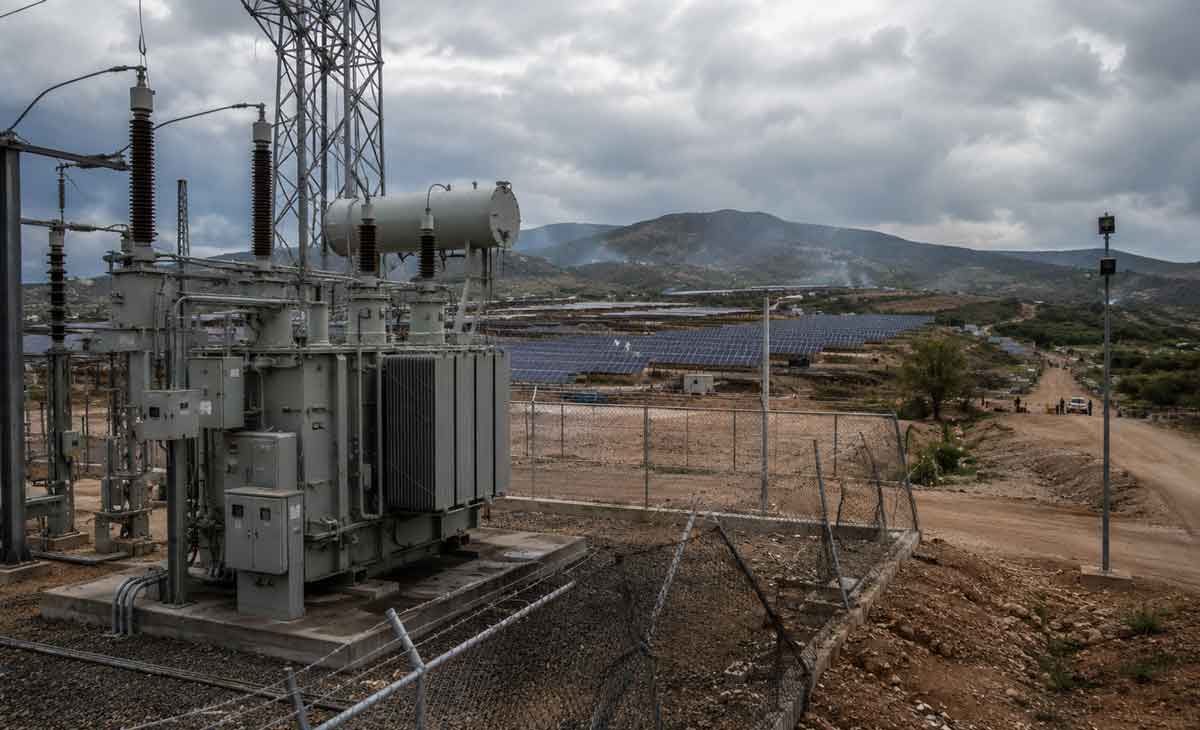
| Energy infrastructure | High | Energy resilience, backup systems, redundant connectivity and operational continuity must be part of any deployment plan. |
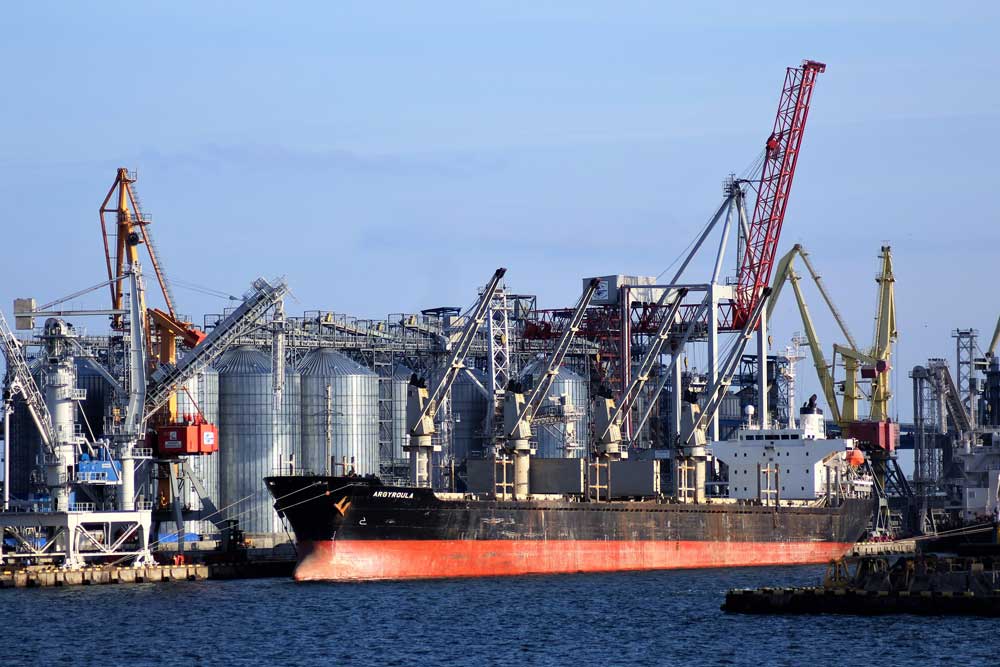
| Access and logistics | High | The absence of direct flights requires planning land or rail entries, with verified routes, vetted providers and contingency alternatives. |
| Corporate cyber risk | High | Activity by state and non-state actors requires reinforced digital hygiene, prepared devices, secure communications and post-trip review. |
| Legal framework / martial law | Medium | Movement restrictions, documentation requirements and legal particularities must be assessed before travel and during the stay. |
| Insurance and risk coverage | Complex | Standard corporate policies may not cover conflict zones or certain incidents. Specific coverage must be reviewed before travel. |
2. Russia: sanctions, compliance and exposure management
Russia represents a different risk environment from Ukraine. The dominant risk for the corporate traveller in major cities is usually not kinetic, but regulatory, legal, financial, reputational and compliance-related. Since February 2022, the European Union, the United States, the United Kingdom and other international actors have adopted multiple sanctions packages affecting the financial, energy, technology, logistics and transport sectors. Organisations with a presence, assets, suppliers, contracts or business relationships linked to Russia must manage a particularly demanding exposure framework. This includes counterparty due diligence, beneficial-ownership analysis, supply-chain review, export controls, financial restrictions, management of existing assets and personnel protection. For any executive who must physically travel to the country, planning must include profile analysis, device review, communication protocols, entry and exit routes, and response procedures for legal or consular incidents.
“Do Not Travel”
packages
the EU, US or UK
“All cards issued under the Visa, Mastercard and American Express systems do NOT work in Russia for making payments, withdrawing money or any other transaction.”
— Ministry of Foreign Affairs of Spain — Travel advice for Russia
“The spider effect of sanctions means that future risk may arise from dealings with third parties providing significant support to Russia — and that must be built into any company’s risk assessments.”
Operational risk vectors in Russia
| Vector | Level | Operational implication |
|---|---|---|
| Sanctions and compliance | Critical | International sanctions, export controls and financial restrictions require enhanced due diligence and specialised legal review. |
| Traveller legal exposure | Critical | The traveller’s profile, documentation, professional background and the nature of the trip must be carefully assessed before authorising travel. |
| Device checks at the border | High | Corporate devices, digital accounts and communications must be prepared under specific information-security protocols. |
| Financial access | High | Restrictions on Western payment systems make it necessary to arrange financial alternatives, operating limits and emergency procedures. |
| Access and logistics | High | The lack of direct flights from the EU, UK or US increases journey times, costs and dependence on indirect routes. |
| Reputational risk | Medium-High | Presence in, business relationships with or indirect exposure to the Russian market may have an impact on investors, partners, clients and ESG audits. |
What does a company with links to Russia typically need support with in 2026?
Management of existing assets, regulatory exposure review, counterparty due diligence, operational continuity, personnel protection, third-country analysis, divestment scenarios and response to legal or reputational incidents. These activities require operational intelligence, specialised compliance and advance planning.
Ukraine and Russia: comparative table for decision-making
| Factor | 🇺🇦 Ukraine | 🇷🇺 Russia |
|---|---|---|
| Dominant risk type | Kinetic, logistical, energy and continuity | Regulatory, legal, financial and reputational |
| Direct flights from Spain | No — usual entry via neighbouring countries | No — connections via third countries |
| Financial access | Limited but workable with planning | Severely restricted for Western systems |
| Sanctions framework | Not comparable to the sanctions framework applied to Russia | Active and complex international sanctions regime |
| Traveller legal risk | Requires documentation, coordination and security protocols | Requires analysis of profile, devices, documentation and legal exposure |
| Consular assistance | Available with limitations depending on area and the evolution of the conflict | Conditioned by the diplomatic context and local capabilities |
| Main reason for presence | Reconstruction, economic activity, international projects and operational continuity | Management of exposure, assets, contracts, personnel, compliance and regulatory scenarios |
| Manageable with operational intelligence | Yes, with risk assessment, planning and specific protocols | Yes, with profile analysis, enhanced compliance and specialised preparation |
The table above is not a political assessment, but an analytical tool for companies. Ukraine and Russia share geopolitical and logistical complexity, but present different corporate risks. In Ukraine, the priority usually lies in physical security, operational continuity, logistics and infrastructure resilience. In Russia, the priority centres on sanctions, compliance, legal exposure, financial restrictions and reputational risk. In both cases, the determining variable is not only the destination, but the organisation’s level of preparation.
Does your company need to assess risks in Ukraine, Russia or both environments?
ACK3® supports organisations operating in environments of high geopolitical complexity. Whether your company is assessing activity in Ukraine or needs to manage exposure related to Russia, our operational intelligence team provides risk assessment, protocols, due diligence, monitoring and support for informed decision-making. The question is not only whether to operate or not, but under what conditions, with what level of exposure and with what protective measures. Wherever You Are.
| Service | Ukraine | Russia |
|---|---|---|
| Risk assessment | Country Risk Assessment by city, route, sector and activity profile | Exposure analysis under the sanctions regime and regulatory risks |
| Due diligence | Local counterparties, suppliers, partners, assets and reconstruction projects | Counterparties, beneficial owners, third countries and exposed supply chains |
| Journey management | Routes, secure transport, verified accommodation, communications and contingency plans | Traveller profile, device protocol, documentation and entry and exit routes |
| Monitoring | 24/7 SOC Madrid — security, logistics and situational alerts | 24/7 SOC Madrid — legal, regulatory, reputational and security monitoring |
| Contingencies | Evacuation protocols, crisis management and business continuity | Management of legal incidents, protection of personnel, assets and exit scenarios |