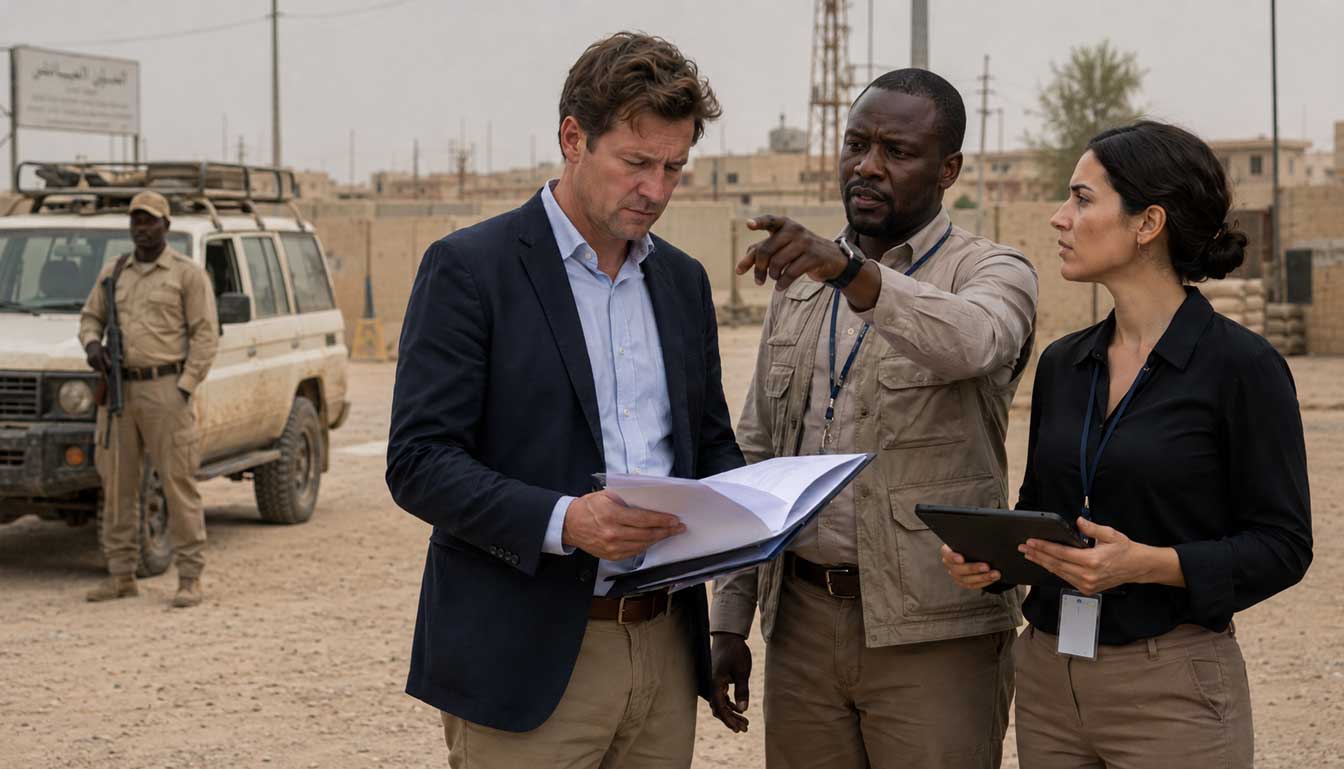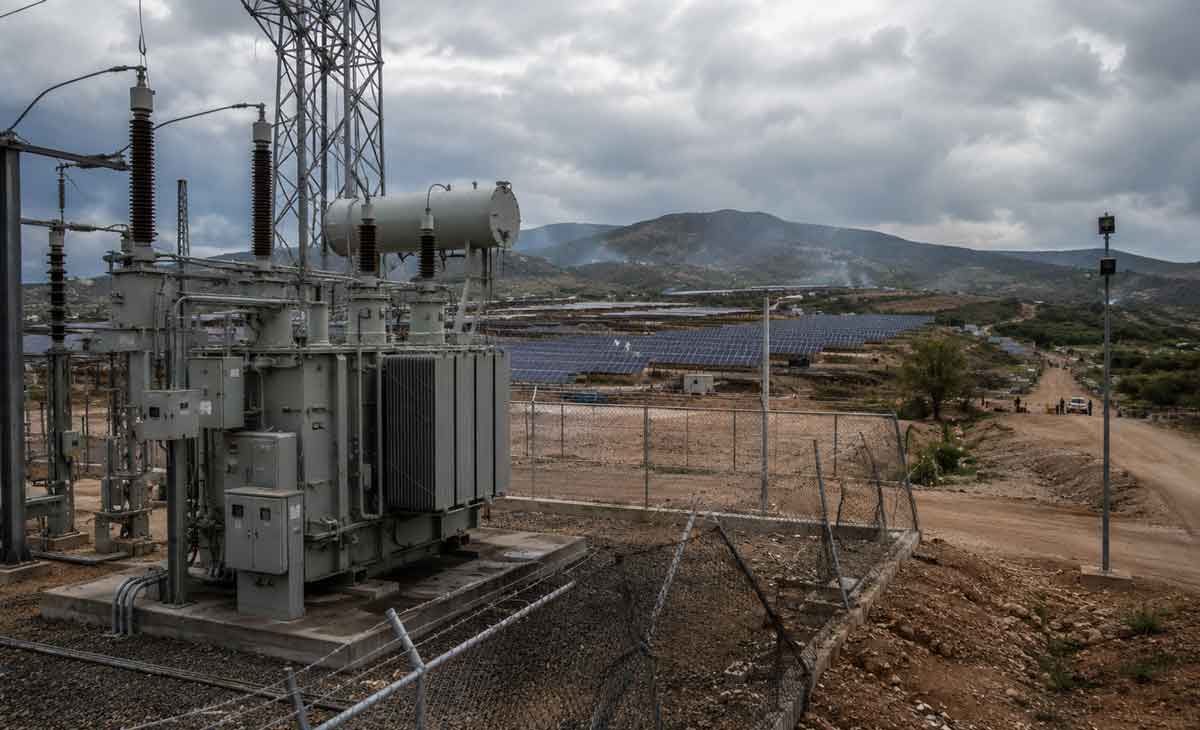

How do you prepare your corporate teams for travel to high-risk countries?
Corporate international mobility is accelerating again in 2026. European companies across the energy, industrial, technology, construction, financial and logistics sectors are expanding operations once more in strategic regions such as LATAM, Africa and the Middle East. However, the international operational environment has changed dramatically in recent years: geopolitical fragmentation, hybrid conflicts, organized crime, regulatory pressure and reputational risks are forcing organizations to completely rethink how they manage international business travel.
Today, international corporate travel can no longer be understood as a purely logistical matter. It has become a question of business resilience, corporate security and operational capability. Companies must no longer ask only whether an employee can travel. They must ask whether the organization is prepared to respond when the environment deteriorates. The difference between a controlled operation and a corporate crisis often begins long before the incident itself: it starts with preparation.
The new international operational environment in 2026
The risks facing corporate travelers have evolved far beyond traditional scenarios associated only with terrorism or open conflict. International organizations must now manage hybrid threats where criminality, political instability, reputational risks, cyber threats, social unrest, regulatory restrictions, geopolitical pressure and logistical vulnerabilities converge.
According to the Global Risks Report published by the World Economic Forum, geopolitical fragmentation and international instability will remain among the leading sources of business disruption in the coming years. At the same time, organizations such as Control Risks, International SOS and Crisis24 continue to warn about the growing number of incidents linked to corporate mobility in emerging and medium-to-high risk environments. In this context, regions such as the African Sahel, certain areas of Mexico, parts of the Middle East or strategic energy and logistics corridors increasingly present complex operational environments for expatriates, executives and deployed technical personnel.
What is really considered a high-risk country?
A high-risk country is not necessarily a country at war. In corporate and operational terms, a high-risk environment is any context capable of affecting the security, operational continuity or decision-making capability of an organization or its personnel. This includes factors such as organized crime, terrorism, political instability, corruption, social unrest, institutional weakness, cyber threats, healthcare limitations or vulnerable critical infrastructure. Risk levels may vary even between cities or regions within the same country. Companies must therefore evaluate each destination dynamically, integrating intelligence, geopolitical context and real operational exposure.
One of the most common mistakes organizations continue to make is automatically associating “high-risk countries” with open armed conflict. The operational reality is significantly more complex. Many destinations perceived as stable from a macro perspective may still present substantial risks for international travelers depending on sector exposure, employee profile, location, local partners or political circumstances.
Modern international risk assessment must integrate variables such as:
- Organized crime.
- Kidnapping and extortion.
- Political instability.
- Institutional corruption.
- Limited healthcare infrastructure.
- Social unrest and protests.
- Dependence on vulnerable critical infrastructure.
- Regulatory and reputational exposure.
- Medical response and evacuation capabilities.
- Sector-specific geopolitical exposure.
Organizations such as ENISA and other European resilience-focused bodies have repeatedly emphasized that risk can no longer be analyzed purely from an isolated technical or physical perspective. Today’s operational environment demands an integrated vision where security, intelligence, business continuity and decision-making converge.
Key risks facing international corporate travelers
| Risk | Operational impact | Typical examples |
|---|---|---|
| Organized crime | Direct threat to personnel | Express kidnapping, robbery, extortion |
| Political instability | Operational disruption | Coups, protests, blockades |
| Limited healthcare infrastructure | Elevated medical risk | Lack of hospitals or evacuation capabilities |
| Cyber threats | Exposure of critical information | Phishing, corporate espionage |
| Logistical disruption | Project interruption | Flight cancellations, border closures |
Source: operational analysis by the ACK3 SOC Team on international corporate risks in 2026.
The most common mistakes companies continue to make
Most incidents linked to corporate travel are not caused by extraordinary threats. They are caused by a lack of real preparation.
In complex international operations, we continue to identify recurring patterns:
- Trips approved without prior risk assessment.
- No destination-specific security briefing.
- Lack of awareness regarding local political and social dynamics.
- Hotels selected solely based on price or convenience.
- Use of unverified transportation providers.
- Absence of communication and escalation protocols.
- No real-time monitoring capabilities.
- Total dependence on the traveler to manage incidents alone.
Many organizations continue operating with international mobility models designed for a far more stable global environment. The real problem emerges when the operational environment changes rapidly and the company discovers it lacks the operational structure required to respond.
The organizations most exposed are not always those operating in the most dangerous destinations, but those traveling without intelligence, protocols or real response capability.
From military leadership to the world’s most complex environments
The skills developed by military professionals are not only valuable within national organizations. They are increasingly sought after by companies operating in some of the world’s most challenging and strategically important markets. Today, many of the greatest growth opportunities for international businesses are located in regions characterized by geopolitical uncertainty, security challenges, regulatory complexity and rapidly evolving operational environments. The reconstruction of Ukraine, energy development across the Middle East, infrastructure projects in Africa and industrial expansion in Central Asia are just a few examples of markets where leadership, resilience, risk management and decision-making capabilities are critical for success.
20 high-potential markets operating in complex environments
Over the coming years, significant investment and business opportunities are expected across a number of strategically important countries, including:
- Ukraine
- Russia
- Iraq
- Saudi Arabia
- United Arab Emirates
- Qatar
- Kazakhstan
- Azerbaijan
- Libya
- Algeria
- Nigeria
- Angola
- Democratic Republic of the Congo
- Mozambique
- Ethiopia
- Pakistan
- Indonesia
- Mexico
- Colombia
- Ecuador
These markets offer substantial opportunities across sectors such as energy, defense, infrastructure, construction, mining, logistics, telecommunications, technology and international development. However, they also require organizations to navigate complex political, security, operational and regulatory landscapes. Companies operating internationally must increasingly balance growth ambitions with effective risk management. Political instability, organized crime, armed conflict, social unrest, cyber threats, sanctions regimes and critical infrastructure vulnerabilities are now part of the operating environment in many emerging and frontier markets. At ACK3, we support organizations working across many of these regions through intelligence services, Travel Risk Management (TRM), geopolitical analysis, 24/7 monitoring, crisis management and organizational resilience solutions. Our objective is to help clients make informed decisions, protect their people and assets, and maintain operational continuity in complex environments. The experience and capabilities developed within the Armed Forces naturally align with these international challenges. Leadership under pressure, adaptability, mission focus, operational planning and risk assessment are increasingly valuable attributes for organizations expanding into some of the world’s most demanding markets.
What should a secure corporate travel plan include?
A corporate trip into a complex environment cannot rely solely on a travel agency or on the individual experience of the traveler. It requires a structured model of preparation, monitoring and response.
Before travel
- Comprehensive country and city risk assessment.
- Tailored security briefing.
- Updated geopolitical and social analysis.
- Validation of routes, hotels and transportation.
- Medical review and healthcare protocols.
- Definition of crisis escalation triggers.
- Verification of insurance and evacuation capabilities.
- Communication and tracking protocols.
During travel
- Real-time Travel Risk Monitoring.
- Geolocated operational alerts.
- Monitoring of relevant incidents.
- 24/7 contact capability.
- Operational support and crisis response.
- Dynamic risk updates.
After travel
- Operational debriefing.
- Incident reporting and analysis.
- Internal protocol updates.
- Lessons learned.
Duty of care: corporate responsibility is no longer optional
The concept of Duty of Care has become one of the central pillars of modern international corporate risk management. Organizations are increasingly expected to adopt reasonable measures to protect employees, executives and deployed personnel.
This includes:
- Proper pre-travel preparation.
- Updated contextual intelligence.
- Emergency protocols.
- Monitoring capability.
- Incident response structures.
- Medical support and evacuation planning.
International regulatory evolution continues to increase both the legal and reputational expectations placed on companies regarding traveler protection. Organizations such as the ISO have developed standards related to organizational resilience, business continuity and crisis management, while major multinational corporations continue strengthening their internal Travel Risk Management capabilities as part of broader corporate governance frameworks.
LATAM, Africa and the Middle East: operating in complex regions
In 2026, many of the world’s growth opportunities remain concentrated in operationally complex environments. In LATAM, regions within Mexico, Colombia and Ecuador continue presenting challenges linked to organized crime, urban security and logistical disruption. Across Africa, the Sahel remains affected by regional instability, insurgency and political volatility. In the Middle East, although many markets remain economically stable, geopolitical tensions continue requiring advanced monitoring and response capabilities. The key question is no longer whether companies should operate in these regions. The competitive advantage lies in the ability to operate with resilience, intelligence and adaptability.
Technology, intelligence and real-time monitoring
Modern travel risk management can no longer rely solely on static protocols or periodic reports. The most prepared organizations now integrate continuous operational intelligence capabilities.
This includes:
- Travel Risk Monitoring.
- Geolocated alerts.
- Critical event tracking.
- Geopolitical monitoring.
- 24/7 SOC capability.
- Integrated crisis management.
- Secure communication and escalation.
The speed at which international incidents evolve increasingly requires organizations to minimize the gap between detection, decision and response.
“Corporate resilience no longer depends only on protecting infrastructure. It depends on maintaining decision-making capability under pressure.”
The real challenge: decision-making under pressure
The difference between a resilient organization and a vulnerable one rarely lies only in documents or written protocols. It lies in the real ability to make the right decisions when the environment deteriorates.
Civil unrest, border closures, cyberattacks, political crises, mass cancellations or security incidents require structures capable of:
- Activating rapid responses.
- Coordinating reliable intelligence.
- Escalating decisions in minutes rather than days.
- Protecting personnel without paralyzing operations.
- Managing internal and external communication.
As repeatedly emphasized by Jorge Quintana, CEO of ACK3:
“Risk is not managed in the analysis. It is managed in the decision.”
How international companies should prepare in 2026
Organizations with international operations should move toward integrated resilience models for corporate mobility.
This means combining:
- Continuous international risk assessment.
- Integrated Travel Risk Management.
- Clear decision-making and escalation protocols.
- 24/7 monitoring capability.
- Traveler awareness and training programs.
- Integration between security, operations and leadership.
In an increasingly fragmented global environment, corporate travel is no longer simply about movement. It has become a strategic issue of operational continuity and business resilience.
The new reality of international corporate travel
Companies operating internationally in the coming years will need to coexist with environments that are more complex, volatile and interconnected. Risk is no longer exceptional. It is now part of the operational landscape. The real competitive advantage will not lie solely in accessing new markets. It will lie in the ability to operate within them safely, resiliently and sustainably.
Is your organization prepared to operate in complex environments?
At ACK3, we help international organizations strengthen their Travel Risk Management, operational intelligence and corporate resilience capabilities in complex environments. From real-time monitoring to crisis protocols and 24/7 operational support, we work to transform information into real decision-making capability.