
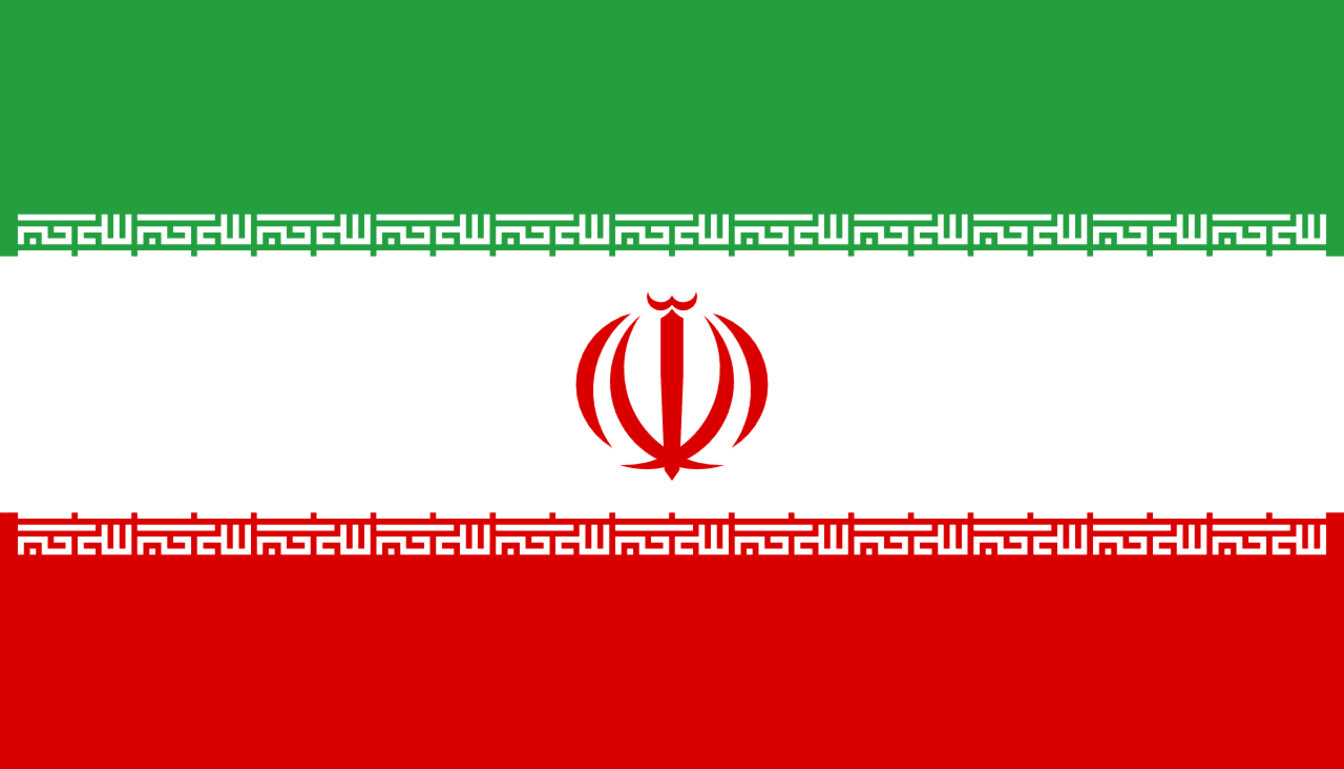
Iran — Amid internal protests and an escalation of tensions with the United States, the Iranian government ordered on January 14, 2026, the temporary and partial closure of its airspace, a measure implemented for several hours and primarily affecting commercial flights crossing East–West routes.
The decision took place in a context of internal instability caused by the crackdown on protests and growing external pressure. Washington had increased its military presence in the region, including the deployment of a new aircraft carrier and additional assets near Iran, which heightened alert levels in Tehran amid concerns over potential confrontation scenarios.
Although limited in duration—between four and five hours according to different reports—the airspace closure caused significant diversions of international flights and led several airlines to suspend or modify routes to avoid Iranian airspace. The European Union Aviation Safety Agency (EASA) also recommended avoiding transit over Iran until mid‑February due to the risks associated with a potential military escalation.
The temporary interruption increased regional uncertainty and affected logistical and commercial operations at a time when the international community continues to follow developments surrounding the Iranian crisis with concern. Although the incidents did not entail a full closure of the airspace nor were there immediate signs of active hostilities, the measure was interpreted as a signal of caution and preparedness in the face of a highly volatile environment.
Would you like to receive personalized information and assessments from ACK3’s team of professional analysts?